
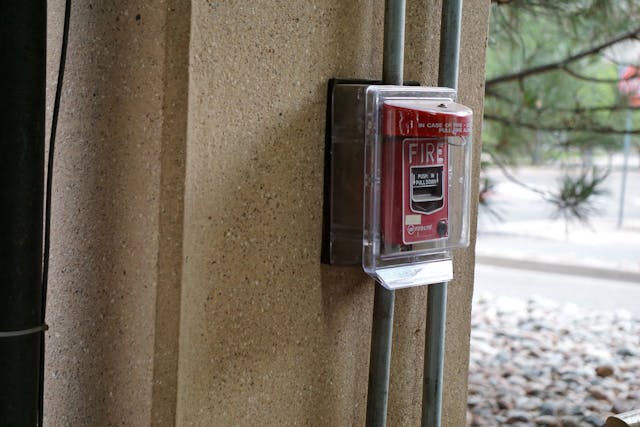
Passive fire protection is the most significant safety measure of any building. People do not pay much attention to it until something goes wrong. In contrast to active systems, such as alarms, passive systems work silently in the background. They contain fire and smoke to save lives and property.
As a property manager or owner,you must ensure that these systems are effective. Otherwise, the safety of the building is significantly compromised.That even results in non-compliance with the National Construction Code (NCC).
This article offers a reality checklist to guide you on how to recognize indications that your passive fire protection systems might be compromised. This way, you will be able to take an early action and prevent expensive repairs, safety threats, or compliance problems.
Damaged or Missing Fire Stopping
Fire stopping aims to seal openings in fire-rated walls and floors. Over time, these seals may become damaged or poorly fitted. They are mostly affected during maintenance tasks, renovation, or new service installations.
Signs to watch for:
- Openings surrounding pipes, ducts, or cables.
- Cracking or deteriorating sealant or fire collars.
- Penetrations stuffed with unsuitable materials, like ordinary foam or caulk.
Any minor cracks can give way to fire and smoke. When you realize that the fire stopping is damaged or not working,invite Ash Passive to restore or install it in accordance with tested and certified systems.
Modifications, or Drilling Through Fire-rated Components
Passive fire protection may be damagedduring construction or renovation. This includes drilling or cutting through fire-rated walls, floors, or ceilings.
Signs to check:
- Apparent holes or punctures of fire-rated walls or floors.
- New services that were installed without reinstating fire stopping.
- Temporary covers or improvised patching that is not per FRL requirements.
Any modifications to fire-rated components need to be well documented and restored using approved fire stop systems. Failure to observe such changes endangers compliance and safety.
Hardware and Fire Door Problems
Passive fire protection includes fire doors. They prevent the spreading of fire and smoke between compartments and safeguard escape routes.
Signs of fire door failure are:
- Doors that fail to close properly or get stuck on frames.
- Missing or broken self-closing devices.
- Damaged intumescent strips or door seals.
- Locks, latches, or handles that are not fire-rated.
These doors should be maintained and inspected regularly.
Water or Moisture Damage
Humidity can degrade passive fire protection materials. That reduces their effectiveness.
What to look for:
- Stains or wet areas on fire-resistant surfaces.
- Bubbles, warping, or corroding of fire-resistant substances.
- Growth of mold around fire-rated barriers.
When moisture damage occurs, the damaged passive fire protection should be repaired or replaced.
Unaccepted Product Substitutions
Other times, products installed or serviced during maintenance are replaced with cheaper ones of non-certified quality. Fire-resistant walls, sealants, collars, and doors should be inspected and certified. That is the only way to achieve certain fire resistance levels (FRLs).
Signs this may have happened:
- Missing or ambiguous testing documents for the products.
- Fire stopping or sealants not fitted as per the specifications of the manufacturer.
- Materials that visually appear different thanthe tested ones.
The use of unapproved products may nullify the fire rating and cause severe safety hazards. When making upgrades or conducting any repairs, always make sure that tested systems are used. The repair and upgrading should be done by qualified passive fire personnel.
Smoke or Fire Travels to Unintended Areas
Even minor violations can permit smoke to escape to halls, staircases, or other protected compartments.
Indicators include:
- Smoke stains on ceilings, walls, or surrounding penetrations.
- Smoke escaping through doors or service penetrations.
- Evidence of heat or soot in walls or ceilings that are fire-rated.
When you suspect signs of smoke travelling, you should check all passive fire protection systems as soon as possible. Then, seal any holes or spots of weakness.
Lacking or Obsolete Documentation
Documentation is a very important aspect of compliance. In the absence of installation, inspection, and repair records, you cannot be sure that passive fire protection systems are of standard quality.
Red flags include:
- Incomplete or missing fire stopping registers.
- Absence of certification for fire-rated walls, doors, or ceilings.
- No inspection, maintenance, or repair history.
Maintaining documentation is a regulatory obligation. The documentsalso inform the future maintainer of the system of what systems are installed and how they are to be maintained.
Indications of Ageing and Deterioration
Passive fire protection systems, just like any other component in the building, may deteriorate with age. Their effectiveness can be diminished by age, the environment, and ordinary wear and tear.
Common signs include:
- Cracks or gaps in the fire-rated walls and floors.
- Intumescent strips on deteriorated doors.
- Collars, dampers, or other parts that are rusted or deteriorated.
All may appear well on the surface. But frequent checks by a professional contractor may reveal the symptoms of wear and tear early enough.
Lack of Regular Inspections
Passive fire protection only works with regular inspections. Buildings that are not regularly monitored are more likely to have unnoticed failures.
Here is a checklist for inspections:
- Do fire stopping and door tests at least once a year.
- Inspect all penetration seals following renovations or new installations.
- Check FRLs and certification on any replaced materials.
Hiring competent passive fire experts is the only way to guarantee that the inspections are comprehensive. Any problems that may be discovered should be dealt with immediately.
Variability in Performance Throughout the Building
Lastly, discrepancies in fire-rated systems may indicate issues. There should be uniform protection in fire-rated walls, ceilings, and doors. Regional variations can be signs of ineffective installation or aging.
What to look for:
- Floors or walls with missing or patched fire stopping.
- Doors that satisfy FRL on one side but not on the other.
- Differences in fire-resistant materials or products within similar places.
Any anomalies must be addressed as soon as possible.
The Takeaway
Do not wait until an event occurs. Proactive management of passive fire protection systems can save lives and minimize risk. The best way to make sure your fire-stopping systems do their job during an emergency is to engage professional passive fire fighters.
Want to know more? Head over to our blog!