
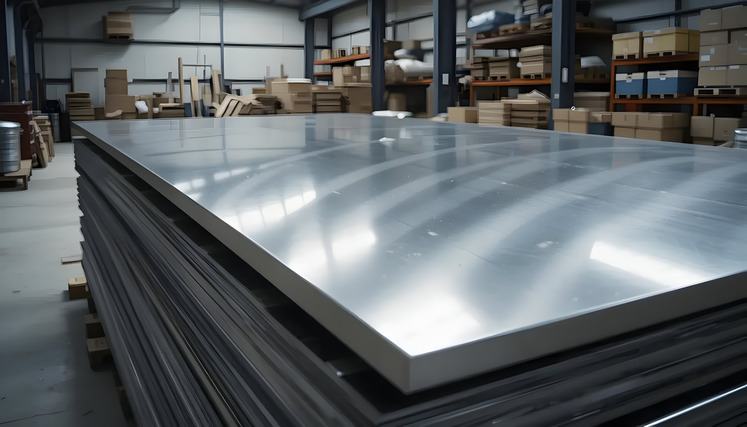
Selecting the right steel can influence the strength, lifespan and success of a project. Whether the material is intended for structural work, heavy engineering, machinery, pressure equipment or general fabrication, working with a reliable steel plate supplier helps ensure the specification, dimensions and delivery arrangements suit the job from the outset. A considered approach can also reduce waste and prevent avoidable delays.
Why Steel Plate Remains Essential?
Steel plate is used across many industries because it combines strength, durability and versatility. It can be found in bridges, industrial buildings, storage tanks, heavy machinery, transport equipment, energy infrastructure and fabricated components.
Unlike lighter sheet products, steel plate is generally selected for applications where greater thickness, load bearing capacity or resistance to demanding conditions is required. Its performance will depend on the grade, thickness and operating environment, which is why material selection should be based on more than size alone.
A plate suited to a general structural application may not perform well under high temperatures, severe abrasion, low temperature service or pressure.
Start With the Application
The first step is to consider what the finished component will do. Buyers should think about the loads it will carry, the environment it will operate in and the processes it will undergo during fabrication.
Key questions may include:
- Will the plate form part of a load bearing structure?
- Will it be exposed to impact, abrasion or vibration?
- Does the project involve elevated or low temperatures?
- Will the steel be welded, bent, drilled or machined?
- Are there specific standards or documentation requirements?
- Is weight reduction important?
Answering these questions narrows the options and reduces the risk of choosing a grade that does not provide the required performance.
Understanding Steel Grades
Steel plate is available in many grades, each developed for particular work. Structural grades are commonly used in construction, fabrication and general engineering, while high strength grades can offer greater load capacity without requiring the same material thickness.
Pressure vessel grades are intended for equipment such as boilers, tanks and heat exchangers, where temperature and pressure performance are central considerations. Wear resistant plate is used where surfaces face repeated contact with aggregates, scrap, soil or other abrasive materials.
There are also grades designed to retain toughness at lower temperatures or provide improved performance in demanding offshore and energy applications.
No single grade is best for every project. The correct choice depends on the relevant design standard, engineering calculations and service conditions. Where requirements are complex, consulting the project engineer or an experienced stockholder can help confirm the right option.
Thickness and Plate Size Matter
Grade selection often receives the most attention, but dimensions are just as important. Steel plate is supplied in a wide range of thicknesses and formats, including heavy plate for substantial engineering and industrial projects.
Ordering a full plate may be practical for large production runs, but inefficient for repairs, prototypes or smaller fabrication jobs. Cut to size material offers greater flexibility by allowing businesses to order dimensions closer to their requirements.
This can reduce offcuts, lower handling demands and save workshop time. It may also simplify transport and storage, particularly when working with thick or heavy sections.
Buyers should allow for any machining, edge preparation or finishing work after delivery. Accurate drawings and clear tolerances are therefore essential when requesting a quotation.
Documentation and Traceability
Some projects require supporting documentation to verify the material grade, chemical composition or mechanical properties of the plate supplied. The exact paperwork will depend on the application, customer specification and relevant industry standard.
Documentation may be available on request, while additional testing or third party inspection can sometimes be arranged when required. Buyers should raise these needs before ordering rather than assuming every plate will automatically include the same certification.
This is particularly important when material is intended for regulated, safety critical or highly specified work. Confirming documentation at the quotation stage helps avoid confusion and gives the supplier time to check availability.
Planning for Fabrication
The way steel plate will be processed should influence the grade and format selected. Welding, forming and machining behaviour can vary, especially with high strength, wear resistant or specialist steels.
Fabricators may need to follow procedures covering preheating, consumables, heat input or bending radius. These requirements should be reviewed before production begins, as incorrect processing can affect the final component.
It is also worth separating services carried out directly by the stockholder from those arranged through external partners. Some suppliers focus on stockholding and in house cutting, while additional processing may be coordinated elsewhere. Knowing who is responsible for each stage makes lead times and project planning easier to manage.
Delivery Should Be Considered Early
Steel plate is heavy, and delivery arrangements can affect both cost and practicality. Site access, unloading equipment, plate dimensions and total order weight should all be considered before dispatch.
A delivery that is straightforward for a large fabrication facility may be unsuitable for a restricted construction site or smaller workshop. Buyers should confirm whether they have suitable crane or forklift access and make the supplier aware of any limitations.
It is also sensible to discuss lead times early, particularly for less common grades or unusually thick plate. Leaving procurement until the final stages can place unnecessary pressure on the project schedule.
Value Is More Than the Lowest Price
The cheapest quotation does not always represent the best value. Material availability, accurate cutting, dependable communication, appropriate documentation and reliable delivery can have a greater impact than a small difference in price per tonne.
A dependable supplier should be able to discuss the specification, identify potential issues and provide realistic information about stock and lead times. That support can help avoid reordering material, lost workshop time or delayed installation.
For projects requiring a broad range of grades, heavy plate and cutting to specified dimensions, established stockholders such as P&D Northern Steels can provide a practical route to sourcing material. Defining the application, grade, dimensions, documentation and delivery requirements clearly will make the ordering process smoother and help ensure the steel arrives ready for the next stage of work.